
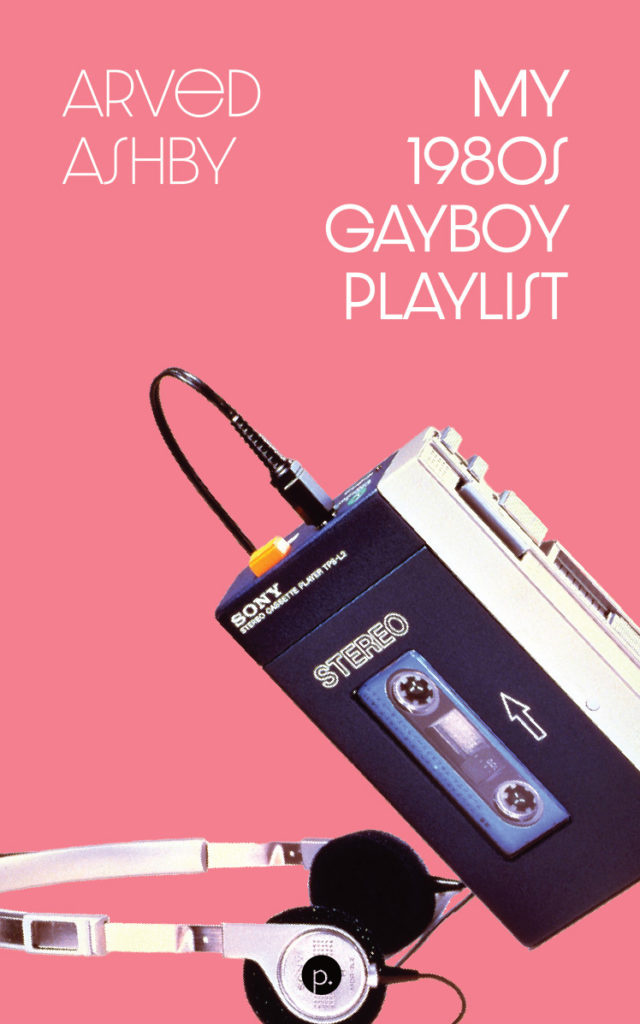
In this remarkably intimate book, My 1980s Gayboy Playlist, award-winning music writer Arved Ashby muses over pieces that impacted his sexual and musical awakenings as a troubled gay adolescent—pieces by Tchaikovsky, Chopin, Beethoven, Anton Bruckner, Alban Berg, Prince, Kurt Cobain, and Tom Petty.
Ashby shares memories both intimate and far-ranging, but My 1980s Gayboy Playlist is not a memoir. Instead of trying to amplify an outwardly uneventful life, the author reengages with and renegotiates eight still-simmering touchpoints—some old musical flames, a few abusive relationships among them. Ashby focuses on desire as it spilled messily across different avenues of expression, seeking connections between erotic experience and musical passion.
For Ashby, as a high school student in a small, rural Midwestern town in the early 1980s, choosing Alban Berg records over Van Halen counted as a perversion. When he recognized Tchaikovsky’s melodic fixations and Prince’s and Chopin’s musical fires, he better understood his own kinks. As an inadequate piano student and a shy virgin on tricyclic psych meds, his lack of physical success taught him the limitations of the body but also showed the capaciousness of queer failure.
It was music that showed him how queerness insists on misappropriation, mishearing, and reading against the grain. Musicality, like sexual expression, amounts to a kind of role-playing— involving penetration and violation of identity as well as validations of the self. The author’s queer musical loves have shown him the vital beauty of muck, unreason, and noise, and as an imaginative writer, Ashby offers the liquid self-reflexivity of Proust and the auto-theory provocations of Maggie Nelson, Paul Preciado, and McKenzie Wark. His prose is poetic and playful, and now and again chaotic. He outs himself in and through his work, with humor and radical intimacy.
My 1980s Gayboy Playlist ultimately illuminates what queer theorist Leo Bersani called the gayboy’s inelegant “apprenticeship in desiring.” Ashby’s closest partners growing up were fantasy, seclusion, and music-dependency, and he found his awkward bliss at the start of the era that witnessed AIDS and the rise of the Moral Majority. In Ashby’s early exurban environment, gayness was a thing feared, because unseen and unfathomed, but his musical intimacies made his personal closet endurable. They also helped him to survive his mis-education, to overcome failures of expression, and to craft a sexual awakening into something more rich and more strange.
About the Author
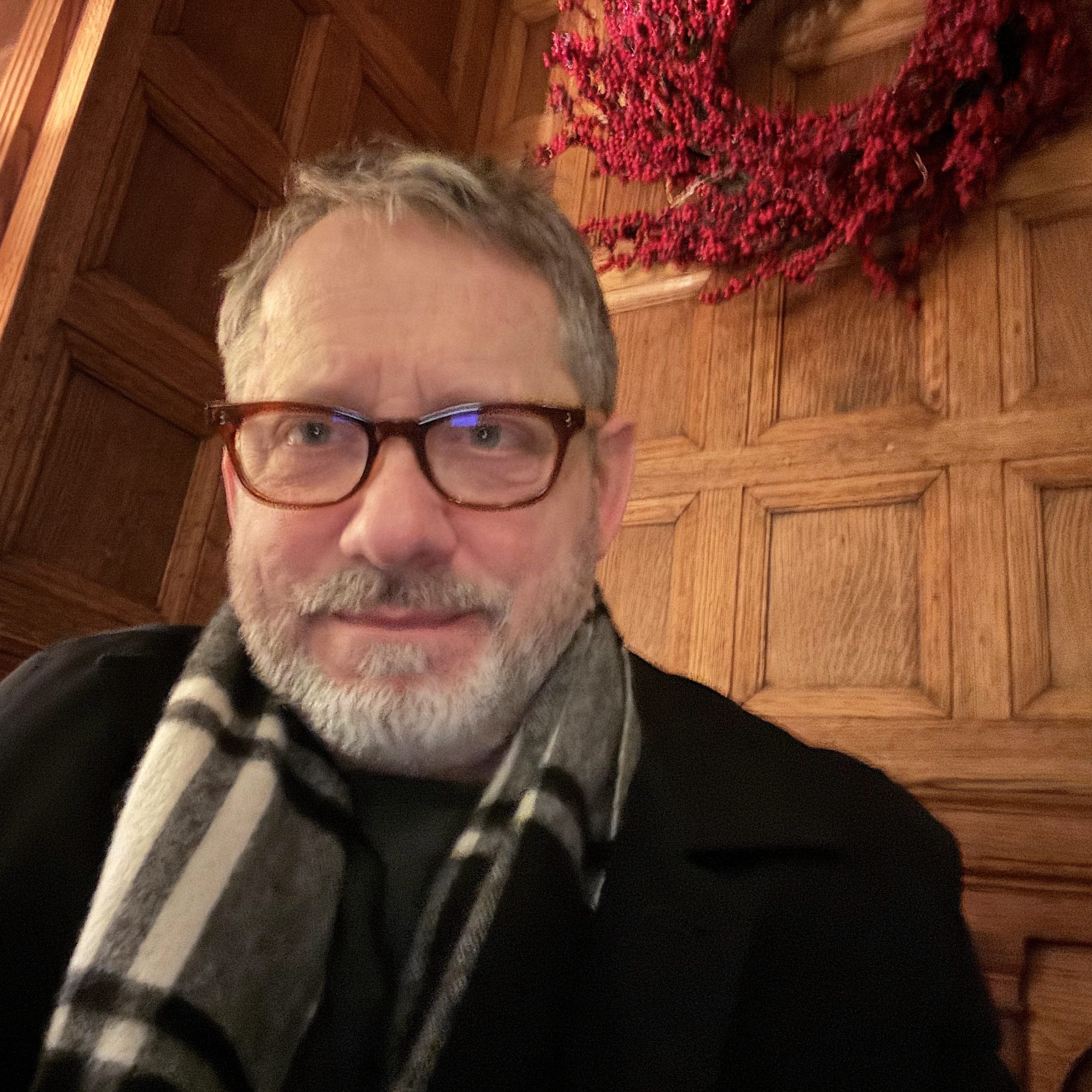 Arved Ashby is Emeritus Professor of Musicology at Ohio State University. Award-winning author of many books, he has moved ever further from restrictive and impersonal norms of thinking and writing, a process that has reached its culmination (so far) in My 1980s Gayboy Playlist. Following the pandemic and resurgence of fascism and brutal deceits, and picking up on the discussions of shame found in My 1980s Gayboy Playlist, Ashby has now focused on indignity and intolerance. To that end, he is currently working on a book titled Shame on Me: The Languages of Internalized Oppression.