
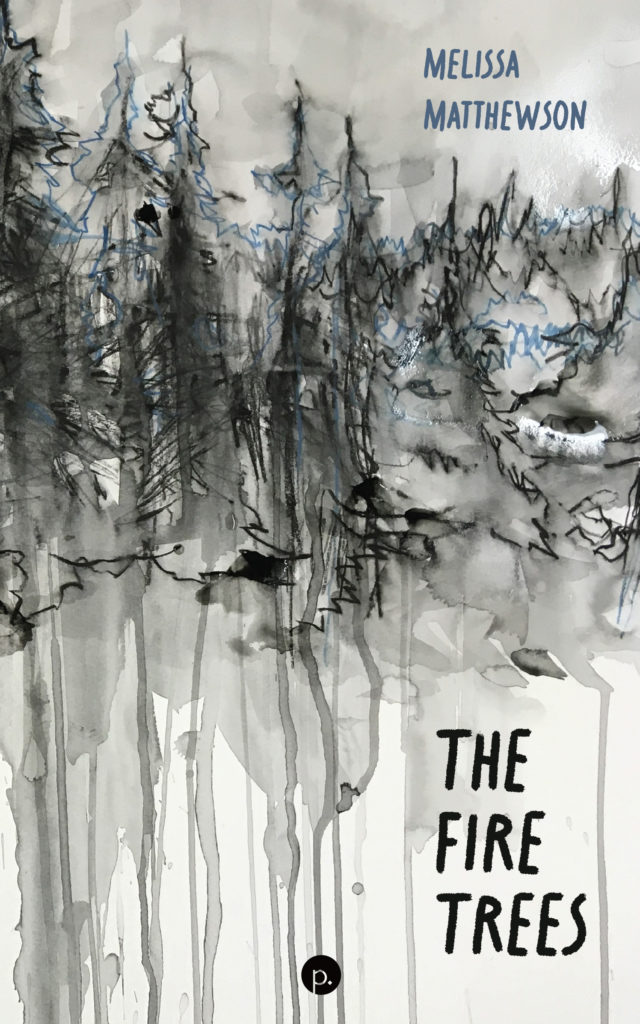

The Fire Trees studies the sense experience of the body and mind as it relates to wildness and nature—how do we embrace sensualism, pleasure, and joy as a daily practice in the company of our transience? And when we do, what new awareness might we embrace? How do the places we inhabit or occupy influence our intimacy, relationality, and sexuality? Central to these essays is this exploration of the relationship between the corporeal and the ethereal. As the essays radiate from those core questions, they also investigate queerness as it relates to bisexuality and liberation, negotiating of structure through experimentation with aesthetics, philosophy, criticism, and lyric prose.
Subjects range from kinship with and queer ecology of the Siskiyou Mountains, the influence of nature on sexualities, wilderness and beauty, contemporary sex clubs and pleasure houses, historical Roman brothels and graffiti art, bisexuality and the performance of sexuality in nature, an auto-fictional/theoretical story on existential love in opposition to capitalism in the form of a dramatic play, masks and self-portraits as influenced by surrealist photographer Claude Cahun, intimacy as explored through sex and eroticism, and the exploration of psychedelics and sex.
bell hooks said of queerness “…queer as not about who you’re having sex with, that can be a dimension of it, but queer as being about the self that is at odds with everything around it and has to invent and create and find a place to speak and to thrive and to live.” With the idea that queerness is about “finding a place to thrive and to live,” and navigating the interplay between self and environment, The Fire Trees explores a kind of relationship with the earth that embodies queer intimacy, complexity, and expansiveness.