Dotawo: A Journal of Nubian Studies 3

Imprint:

Published: 08/11/2016

Dotawo: A Journal of Nubian Studies offers a platform in which the old meets the new, in which archaeological, papyrological, and philological research into Meroitic, Old Nubian, Coptic, Greek, and Arabic sources confront current investigations in modern anthropology and ethnography, Nilo-Saharan linguistics, and critical and theoretical approaches present in post-colonial and African studies. Dotawo gives[…]

The Old Nubian Texts from Attiri

Imprint:

Published: 11/22/2016

The Old Nubian Texts from Attiri is the first publication in the Dotawo: Monographs series. It presents heretofore unpublished material: an edition of a series of manuscripts discovered during the Aswan High Dam campaign at the site of Attiri, a rocky island in the Batn el-Hajjar region in Sudan, and does so in an innovative way,[…]

Object Oriented Environs

Published: 02/12/2016

Object Oriented Environs is the lively archive of a critical confluence between the environmental turn so vigorous within early modern studies, and thing theory (object oriented ontology, vibrant materialism, the new materialism and speculative realism). The book unfolds a conversation that attempts to move beyond anthropocentrism and examine nonhumans at every scale, their relations to each[…]

Posthuman Lear: Reading Shakespeare in the Anthropocene

Published: 02/26/2016

Part scholarship, part journalism, part ecological screed, this book may read like a mashup of critical perspectives. Like other current investigations into the ecological significance of early modern literature, the account of King Lear offered here draws on different and sometimes contrasting interpretive methods: cognitive science, evolutionary psychology, literary historicism and what is called the new materialism. Moreover, the book reflects on the broad global setting of eco-materialism’s themes of catastrophe and enmeshed co-existence, using contemporary examples from Japan, New Mexico, Finland, and India, all while jumping back to Shakespeare’s early modern England. … Those interested in ecology might not be interested in the history of Renaissance literacy. And those interested in the scholarship on Shakespeare’s King Lear might not be interested in accounts of tsunami stones or radioactive waste sites. But they should be. … Because the proverbial clock is ticking. What Hamlet said about readiness? Well, it’s happening. The sparrow has already fallen.

~Craig Dionne, Posthuman Lear

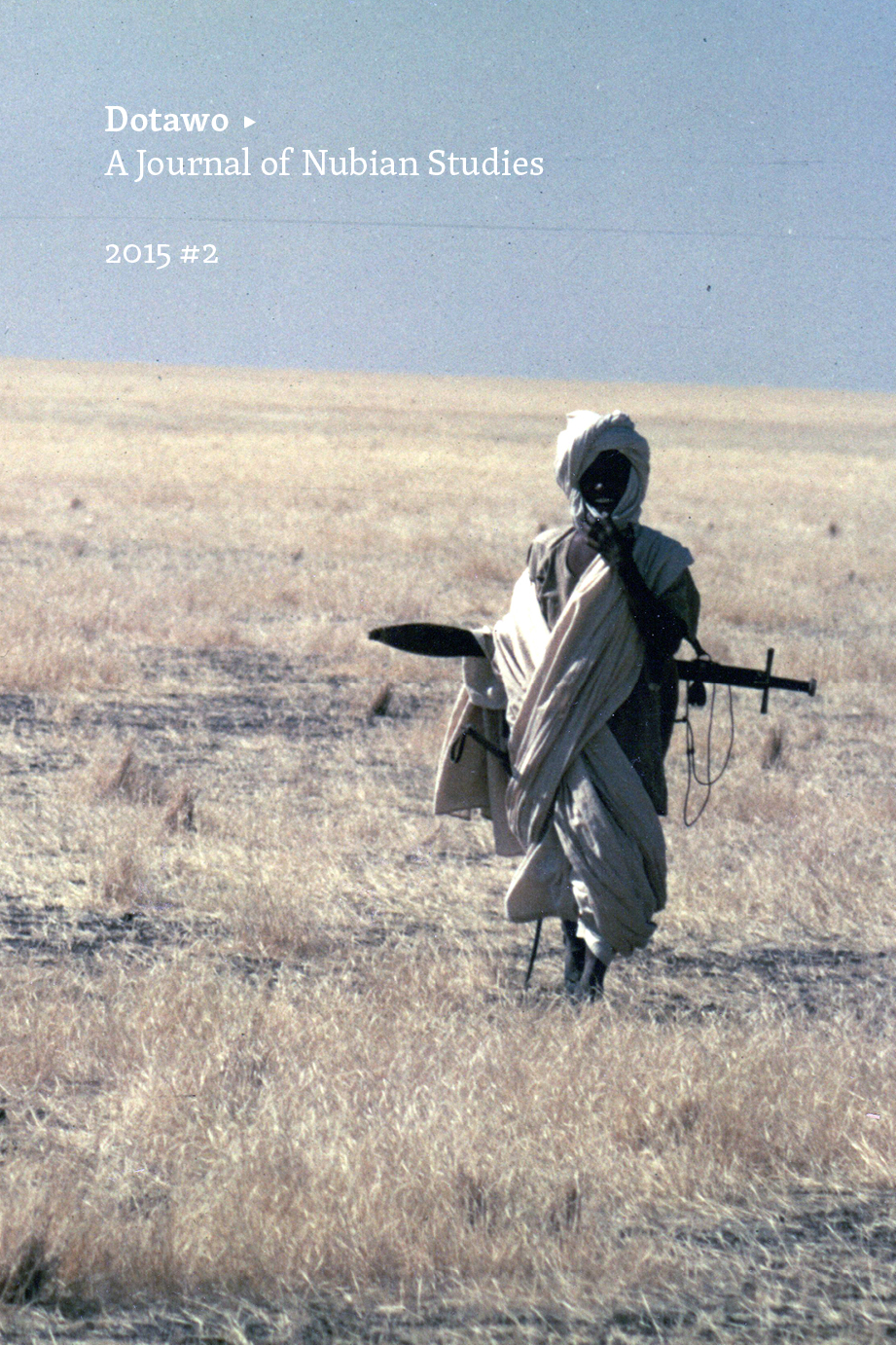
Dotawo: A Journal of Nubian Studies 2

Imprint:

Published: 06/01/2015

Dotawo: A Journal of Nubian Studies offers a multi-disciplinary, diachronic view of all aspects of Nubian civilization. It brings to Nubian studies a new approach to scholarly knowledge: an open-access collaboration with DigitalCommons@Fairfield, an institutional repository of Fairfield University in Connecticut, USA, and open-access publishing house punctum books. The first two volumes of Dotawo have[…]

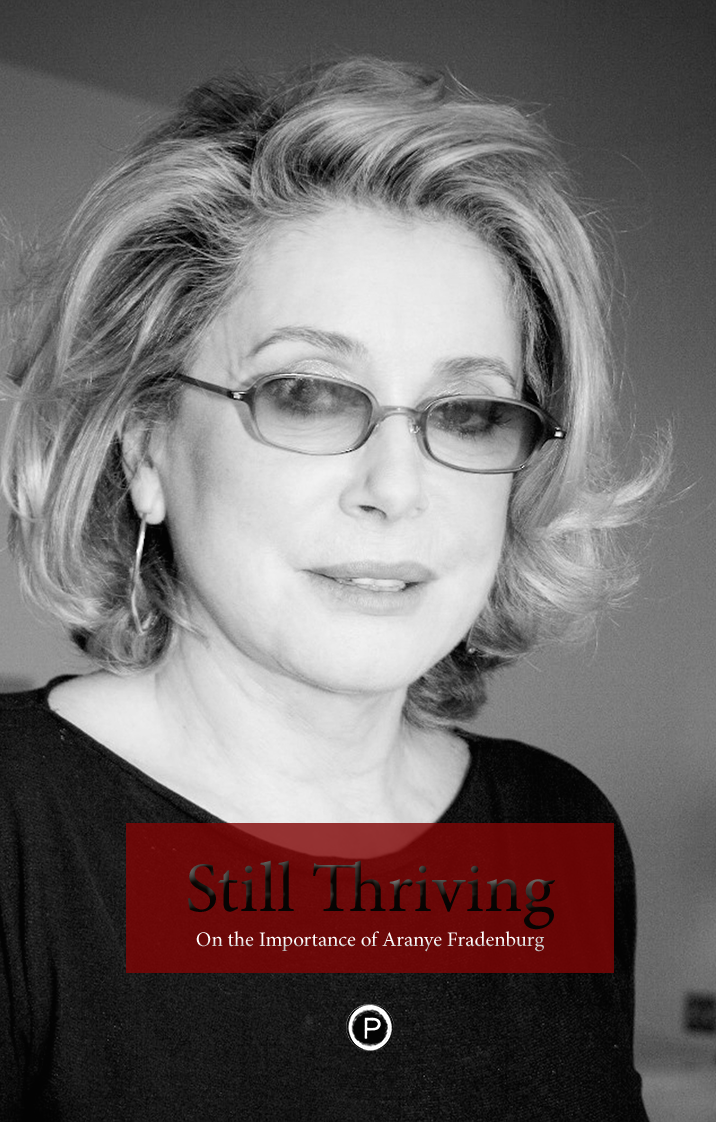
Still Thriving: On the Importance of Aranye Fradenburg

Imprint:

Published: 04/09/2015

The work of L.O. Aranye Fradenburg, especially her psychoanalytic criticism of Chaucer, and her formulations of discontinuist historical approaches to the Middle Ages, has been extremely influential within medieval studies for the past 20 or so years. More recently she has been focusing on more broad defenses of the humanities, especially with regard to the[…]

My Gay Middle Ages

Published: 05/13/2015

In the world of My Gay Middle Ages, Chaucer and Boethius are the secret-sharers of A.W. Strouse’s “gay lifestyle.” Where many scholars of the Middle Ages would “get in from behind” on cultural history, Strouse instead does a “reach around.” He eschews academic “queer theory” as yet another tedious, normative framework, and writes in the[…]

Make and Let Die: Untimely Sovereignties

Published: 03/10/2016

This collection of essays by one of medieval studies’ most brilliant historians argues that the analysis and critique of biopower, as conventionally defined by Michel Foucault and then widely assumed in much contemporary theory of sovereignty, is a sovereign mode of temporalization caught up in the very time-machine it ostensibly seeks to expose and dismantle.[…]